Vietnam Tariff Signals and the Advantage of Genuine Local Manufacturing
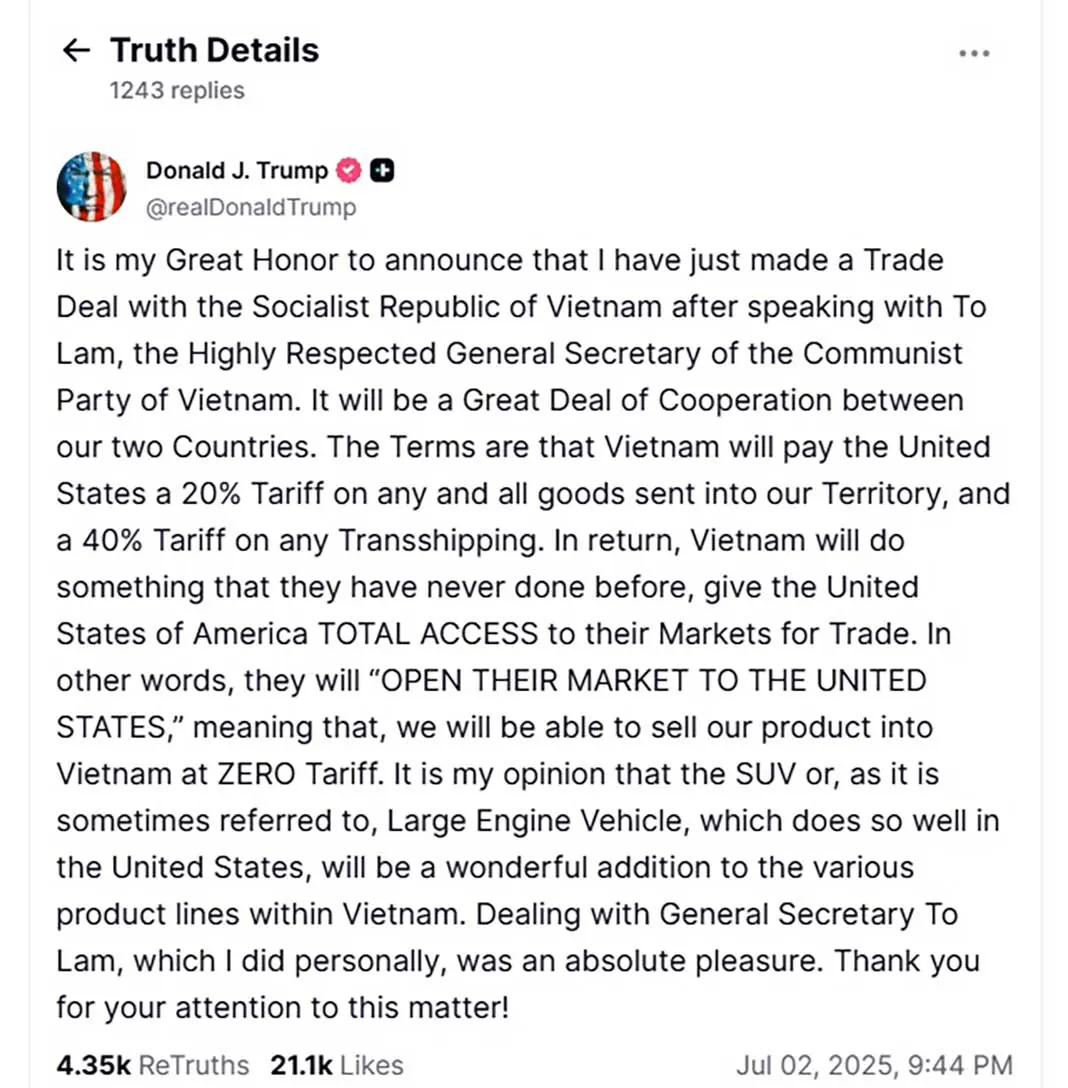
A 2025 tariff discussion referenced a proposed structure of 20% standard rate and 40% on transshipped goods. For bag buyers, the key point is not politics. It is the growing importance of genuine manufacturing and clear country-of-origin documentation.
Trade rules increasingly distinguish between products truly made in a country and goods rerouted through that country.
Why this matters for buyers
If a buyer sources from Vietnam, they need confidence that production is genuinely local and properly documented. This can affect duty exposure, customer trust and supply chain risk.
What buyers should ask suppliers
- Where is the product actually manufactured?
- Which processes happen in the factory?
- What materials are sourced locally or imported?
- Can the supplier support origin documentation?
- Is there any risk of transshipment concerns?
- Who owns or controls the production site?
Why FFG Bags is relevant
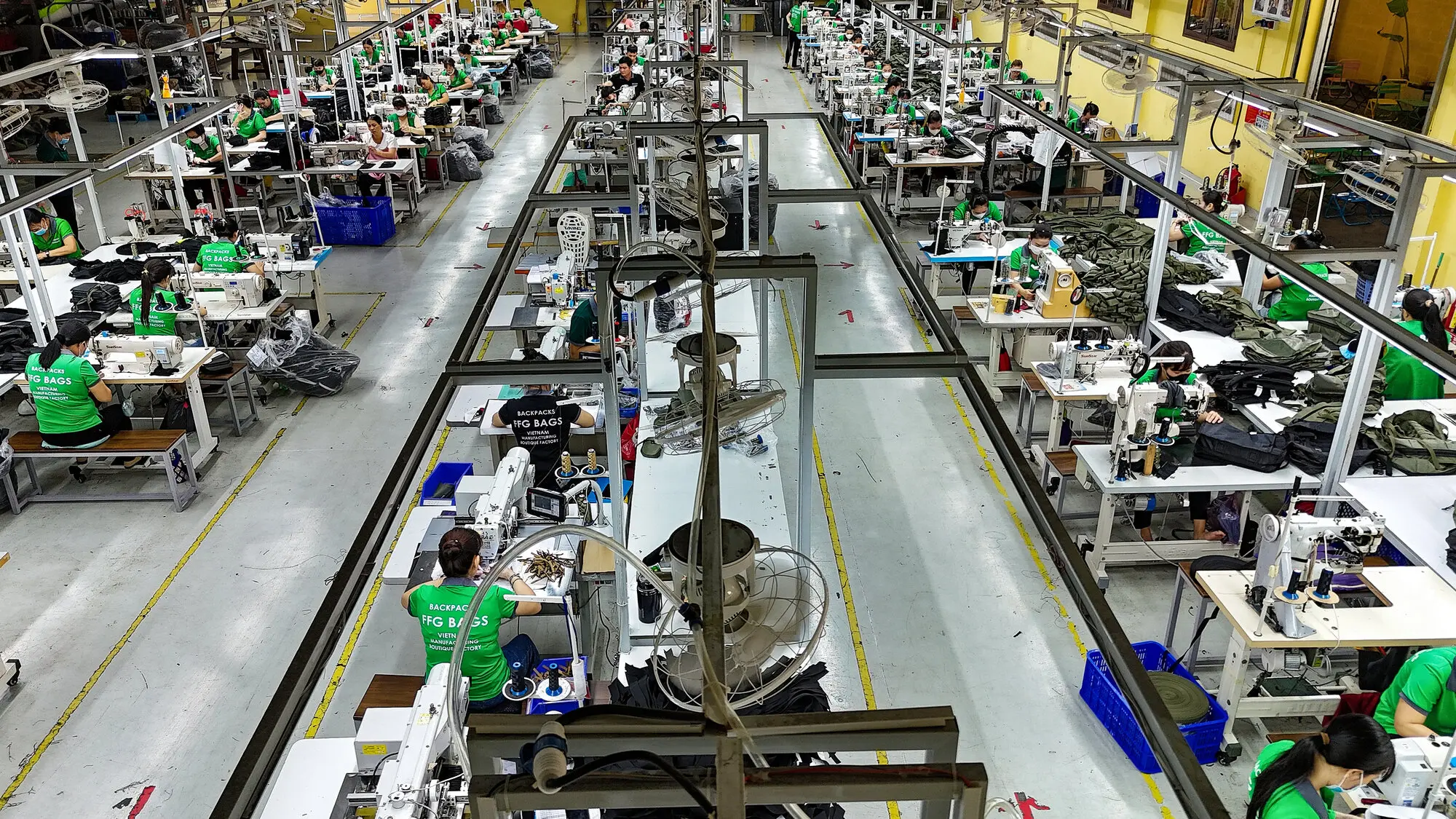
FFG Bags operates its own manufacturing facility in Dong Nai, Vietnam. The company positions itself as a direct factory partner, not a trading company presenting hidden production.
Practical takeaway
When trade policy tightens, transparency becomes a competitive advantage. Genuine Vietnam manufacturing can help buyers reduce risk and build a cleaner supplier file.