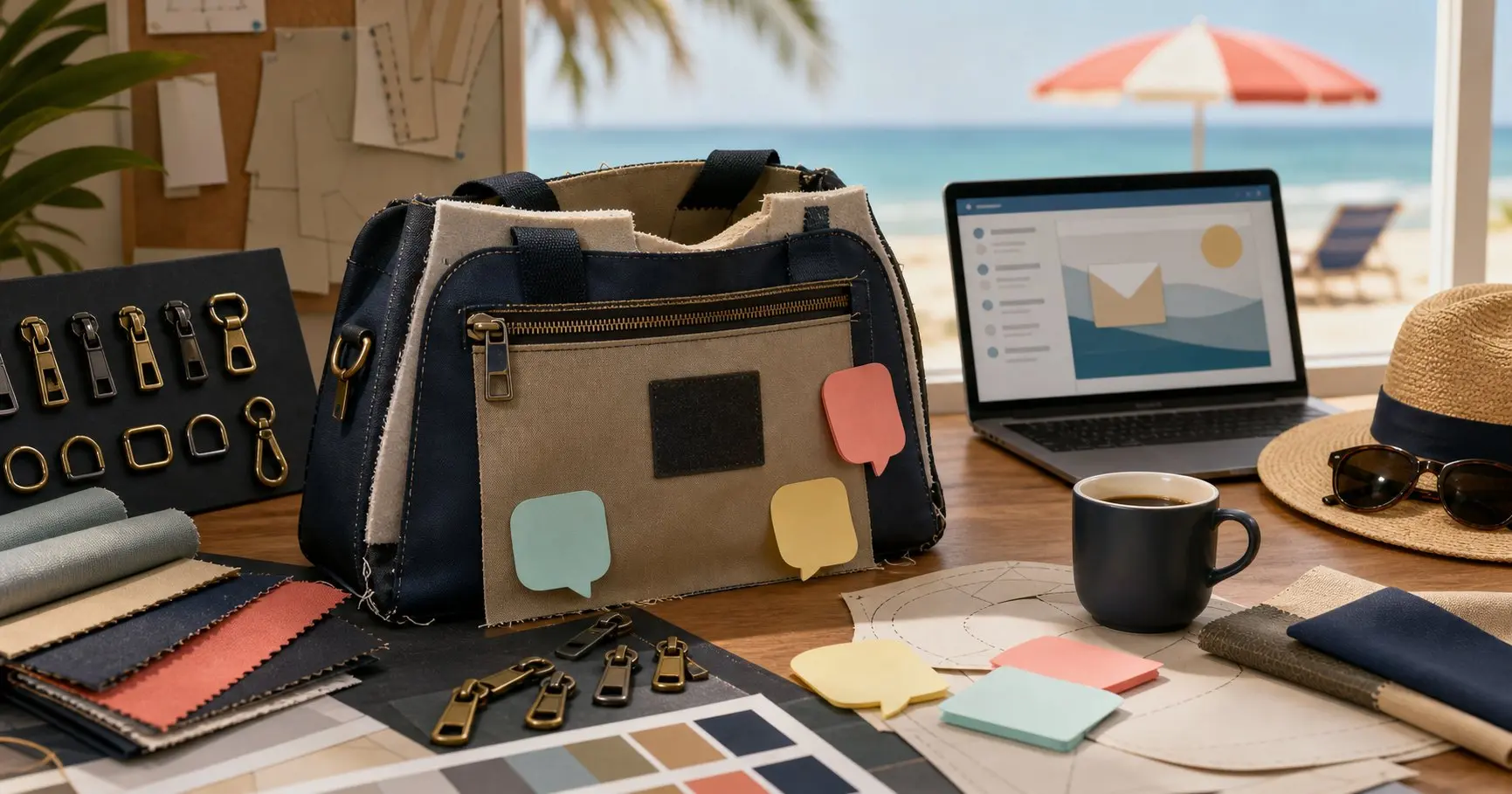
Out of Office, Not Out of Pockets
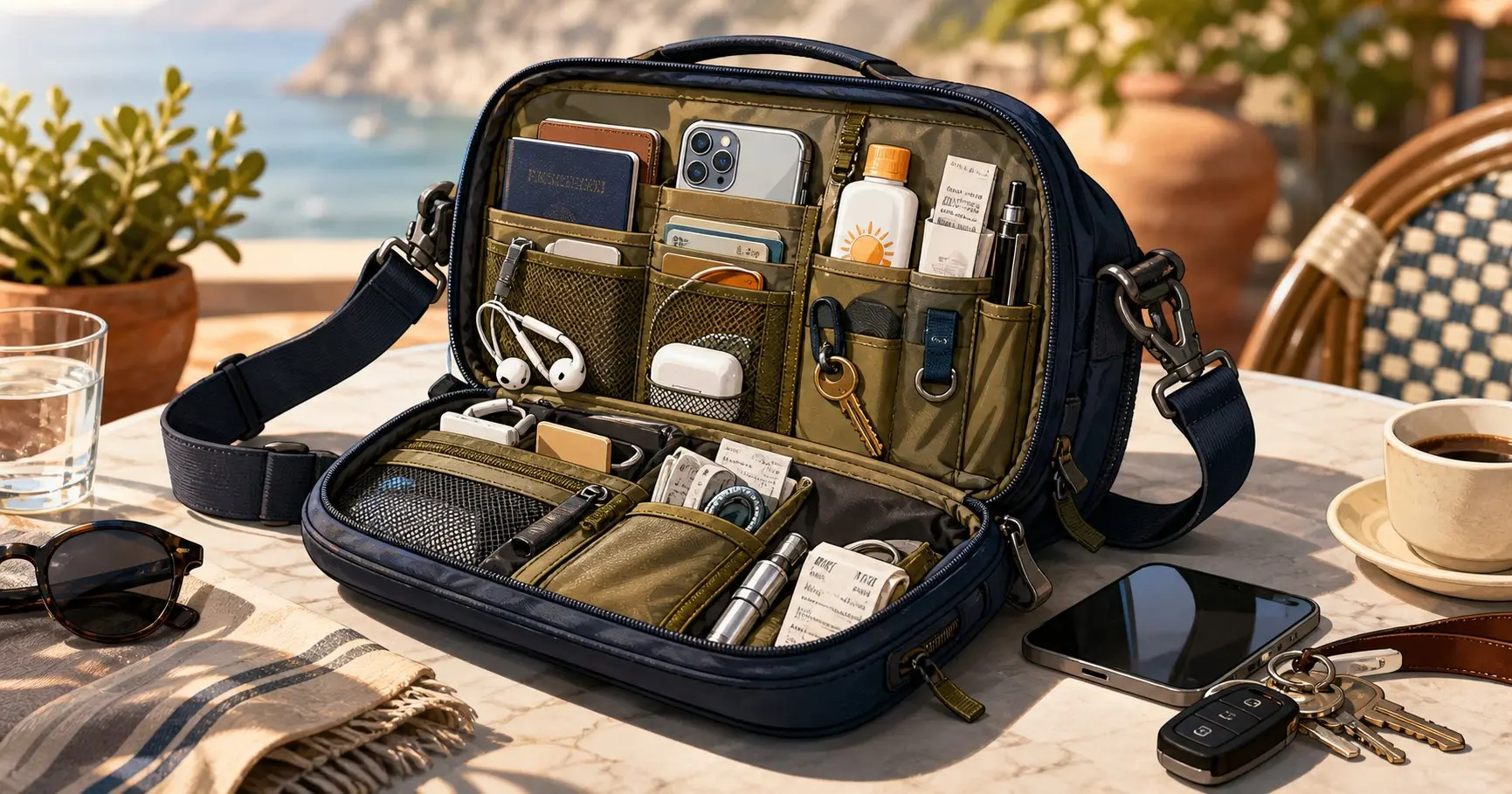
The out-of-office message says the person is away. Their pockets disagree.
Passport, phone, sunglasses, hotel card, receipts, earphones, snacks, pen, mystery key, and the cable that somehow belongs to nothing. Summer travel is a pocket stress test disguised as a holiday.
For custom bag design, this is a useful reminder: small storage decisions often create the biggest daily comfort.
Pocket design is where optimism goes to suffer
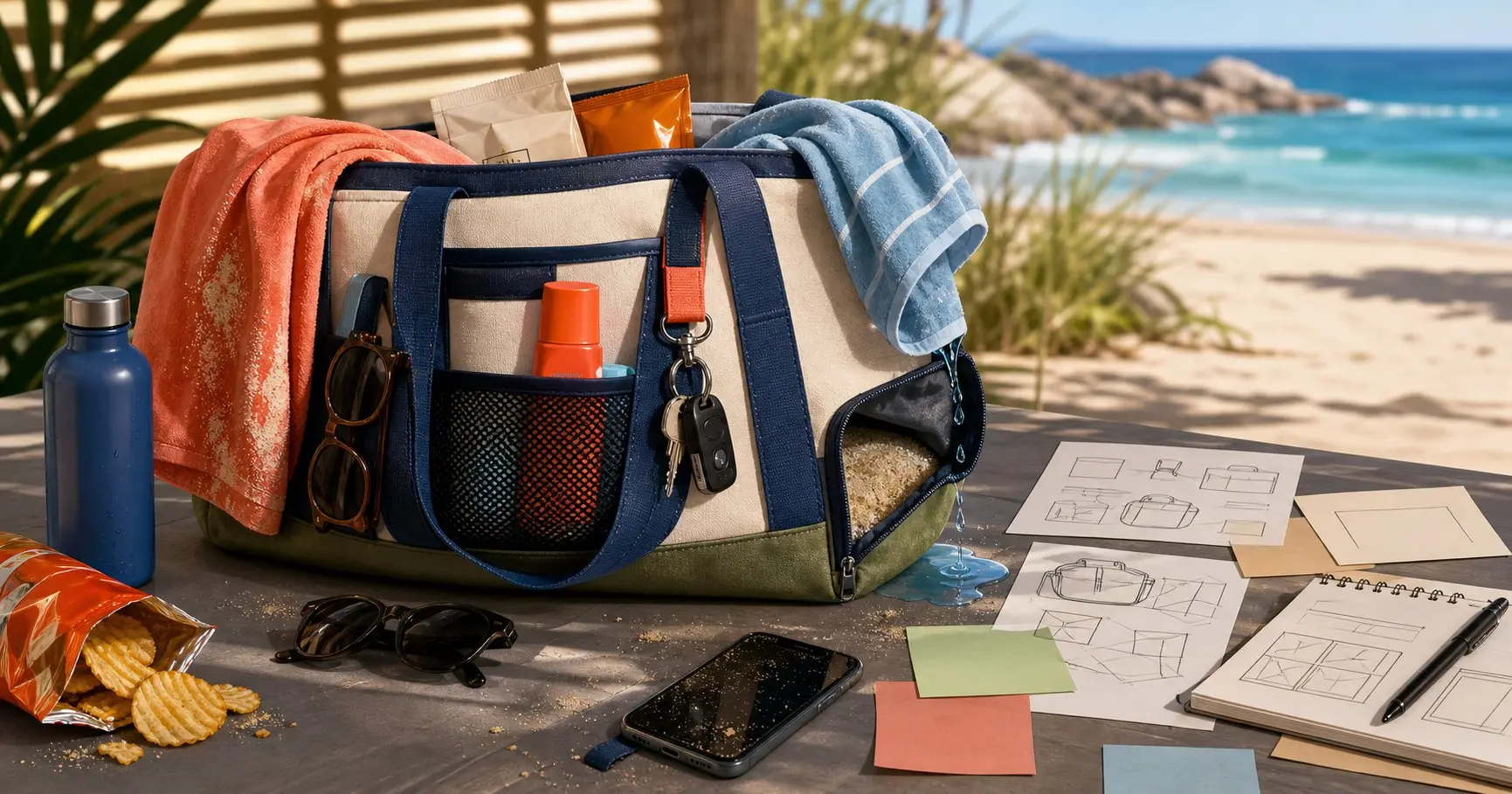
On a drawing, pockets look tidy. In real life, users are moving, carrying coffee, answering messages, standing in lines and trying not to lose the thing they just had in their hand.
A practical pocket does three things well:
- it makes the important item easy to find
- it protects the item from the wrong neighbors
- it stays usable when the bag is full
That applies to travel bags, EDC backpacks, professional tool bags and tactical soft goods.
Not every pocket deserves a ceremony
More pockets are not automatically better. Too many compartments can become a small administrative system nobody asked for.
Good pocket planning starts with the user:
- what do they grab most often?
- what must stay protected?
- what can be buried deeper?
- what needs one-hand access?
- what should stay separate from water, dust or sharp objects?
The goal is not to impress the spec sheet. The goal is to make the bag feel obvious in use.
Practical takeaway
If your team is reviewing a bag concept, do one simple test: list the five objects the user will touch most often. Then check whether the design treats those five objects with enough respect.
If not, the bag may still look good, but the user will quietly complain every day.
FFG Bags helps brands turn those small use details into practical custom bag construction, sampling and production decisions.